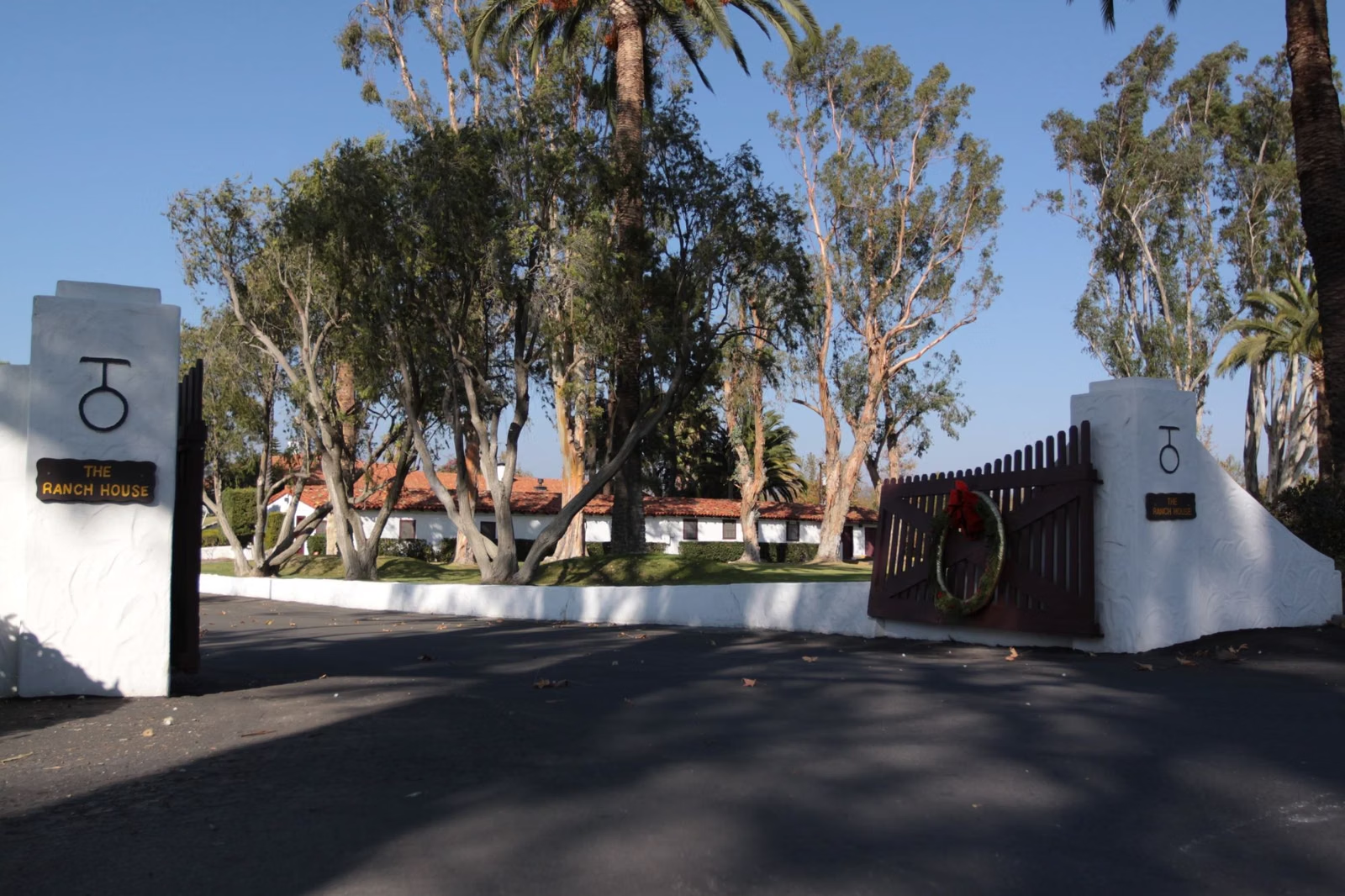
About the Park
San Onofre State Beach is a California state beach on the San Diego County coast just south of San Clemente, established in 1971 on land leased from Marine Corps Base Camp Pendleton. It has three parts, the San Onofre Bluffs, San Mateo Campground and Surf Beach, and draws almost 2.5 million visitors a year, making it one of the five most-visited California state parks. It's also the ancestral home of the Acjachemen people, whose village of Panhe lies within the park.
The Park at a Glance
Panhe and the Acjachemen
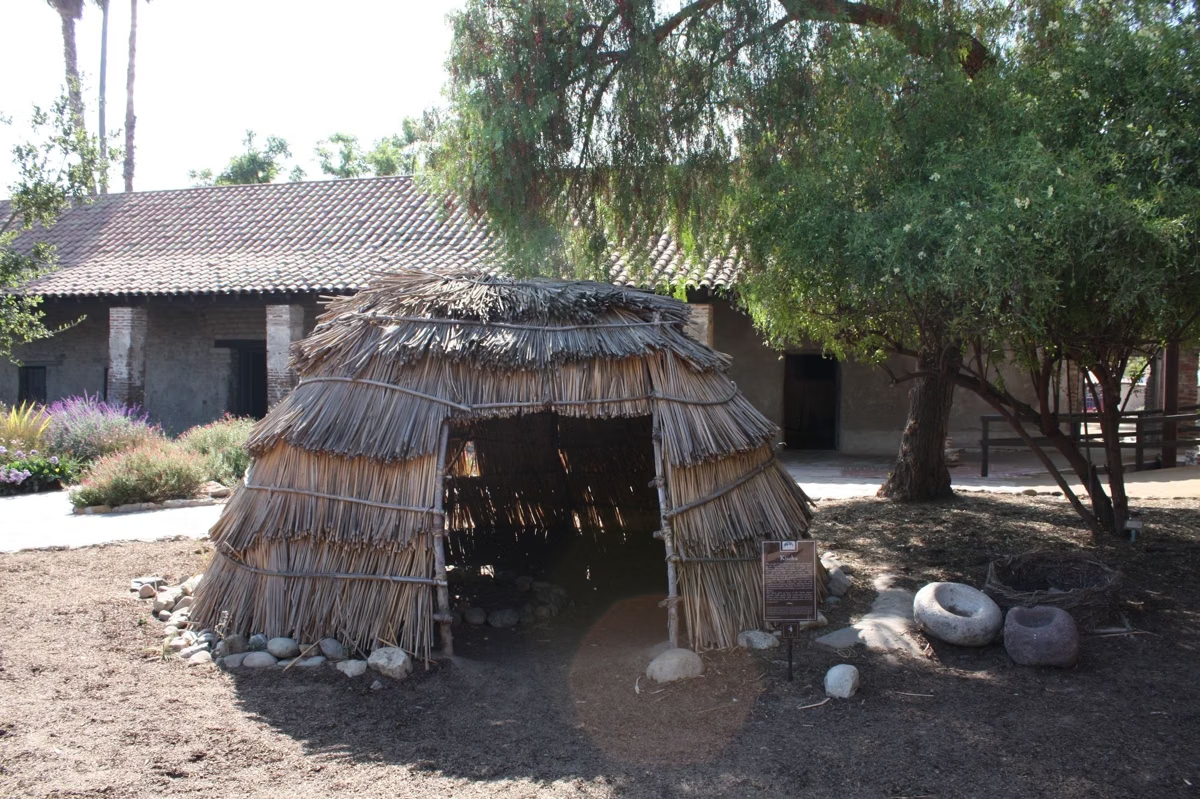
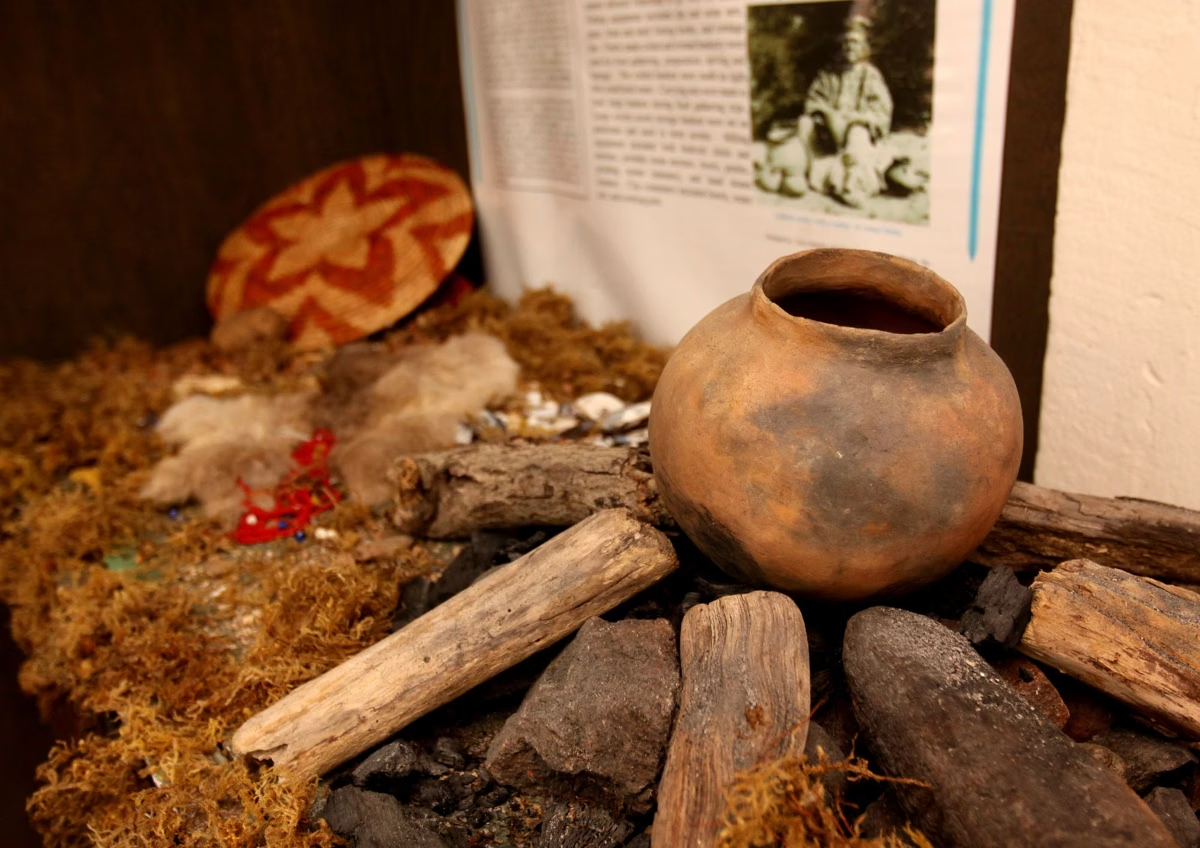
Panhe is an ancient Acjachemen village and burial site within the park, more than 8,000 years old. California State Parks says many Acjachemen people trace their lineage to Panhe, and it remains a sacred, ceremonial and cultural site. It was also the site of the first baptism in California, and in 1769 it saw the first close contact between Spanish explorers, Catholic missionaries and the Acjachemen.
Acjachemen territory ran from what's now northern San Diego County along Orange County's central coast and inland into the Santa Ana Mountains. Under Spanish rule, Acjachemen people were forced to build nearby Mission San Juan Capistrano, completed in 1776, and the mission priests renamed them "Juaneño." Their descendants today are the Juaneño Band of Mission Indians, Acjachemen Nation. The 2010 park brochure (PDF) describes an annual Earth Day celebration at Panhe.
Rancho to Camp Pendleton
The park was once part of Rancho Santa Margarita y Las Flores, which grew from land granted to the brothers Pío and Andrés Pico in 1841 into a 133,440-acre ranch, the largest land grant in California. The U.S. government took the land in 1942 for a Marine Corps training base, Camp Joseph H. Pendleton, dedicated by President Franklin D. Roosevelt on September 25, 1942.
In 1971 the Marine Corps leased San Onofre's coast to the state, and Governor Ronald Reagan established San Onofre State Beach. It still sits on base land, which is why Marine training sometimes happens nearby and why the military runs its own San Onofre Beach cottages. See San Onofre Beach, Camp Pendleton.
A Surfing Landmark
Surfers have ridden San Onofre's waves since the 1930s; the 2010 park brochure dates the first surfers to 1933 and competitions to 1938. State Parks credits the park and Trestles with a big role in Southern California's modern surf culture. In April 2025, LA28 chose Trestles Beach to host the surfing competition at the 2028 Olympics. More on surfing.
Land and Wildlife
The park sits at the edge of the Santa Ana Mountains. Its terrain runs from flat sandy beaches and nearly 100-foot sandstone bluffs to marshes, floodplains and rolling foothills. State Parks calls the coast here a showcase of geology: landslides, erosion and earthquakes are all on display, and the same forces make the bluffs hazardous.
The 2010 park brochure lists ten federally endangered or threatened species at San Onofre. The endangered ones are steelhead trout, tidewater goby, San Diego and Riverside fairy shrimp, arroyo toad, Pacific pocket mouse, least Bell's vireo and southwestern willow flycatcher. The western snowy plover and California gnatcatcher are threatened. The San Mateo and San Onofre watersheds form the last natural wildlife corridor from the Cleveland National Forest to the ocean. Offshore, look for sea lions, dolphins and migrating whales.
Who Runs It
California State Parks runs the beach through its Orange Coast District. Park reception: (949) 492-4872. This site is an independent visitor guide, not affiliated with California State Parks or the Marine Corps.
About the Park FAQ
When did San Onofre become a state beach?
In 1971. The Marine Corps leased the coastline to California that year and Governor Ronald Reagan established San Onofre State Beach.
What is Panhe?
An Acjachemen village and burial site within San Onofre State Beach, more than 8,000 years old. It remains a sacred and ceremonial site, and it saw the first baptism in California.
Is San Onofre State Beach part of Camp Pendleton?
It sits on land leased from Marine Corps Base Camp Pendleton, but California State Parks runs the state beach and anyone can visit.
How many people visit San Onofre State Beach?
Almost 2.5 million a year, according to California State Parks, which ranks it among its five most-visited parks.
An independent visitor guide to San Onofre State Beach, not run by or affiliated with the California Department of Parks and Recreation (California State Parks). Facts are checked against the California State Parks page for San Onofre State Beach (last on November 19, 2026); where this site and the agency differ, the agency is right. How this site works.
Facts checked against the California State Parks page for San Onofre State Beach on November 19, 2026.